Injuries are an inevitable part of an athlete’s career, which means rehabilitation will, at some point, be the reality of every horse owner.
Injuries, Sadly the Inevitable Reality
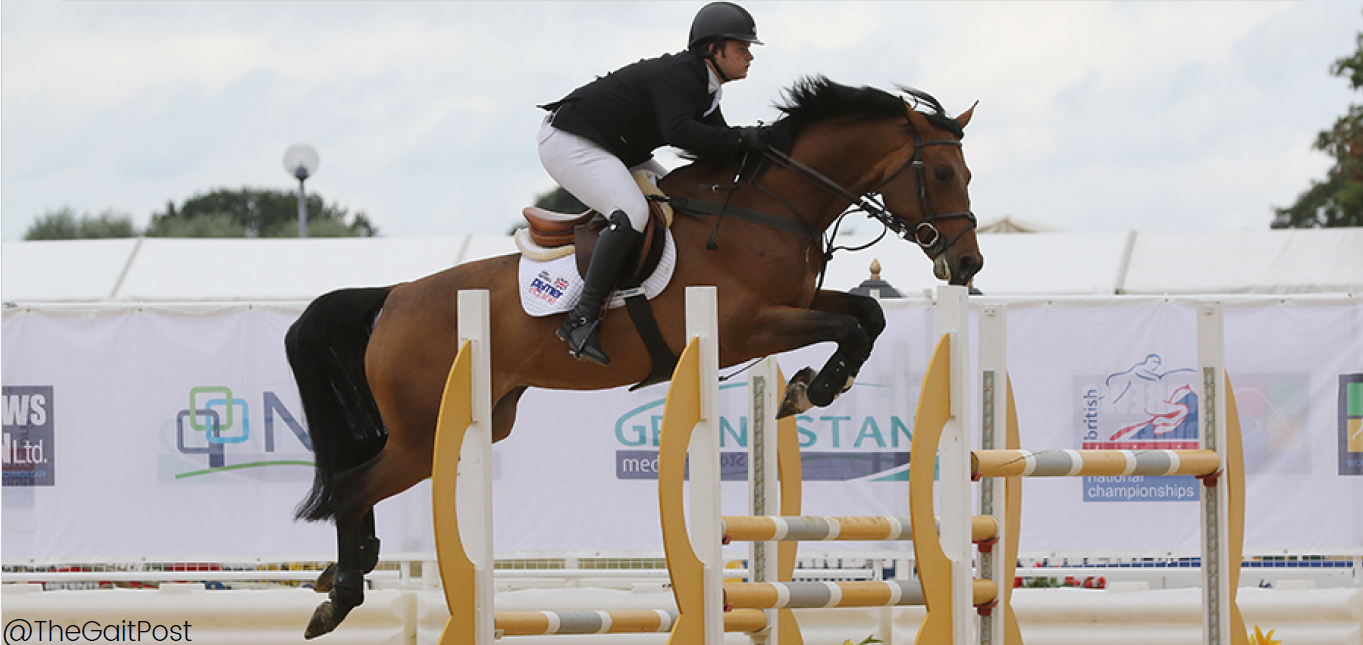
In the world of equine sports, specialisation is the name of the game. Horses meticulously trained in a particular discipline often excel in the precise movements demanded, honing specific muscle groups and structures to perfection. Yet hidden beneath this polished exterior lies a potential threat – the overloading of those exact structures.
In showjumping athletes, subtle and insidious sub-clinical lameness can lurk beneath the surface, causing low-grade, intermittent pain. While not always immediately evident, its presence can spell trouble, particularly as horses move up the levels of competition. What begins as mere discomfort can swiftly escalate into a debilitating problem, impeding performance and jeopardising the horse’s well-being.
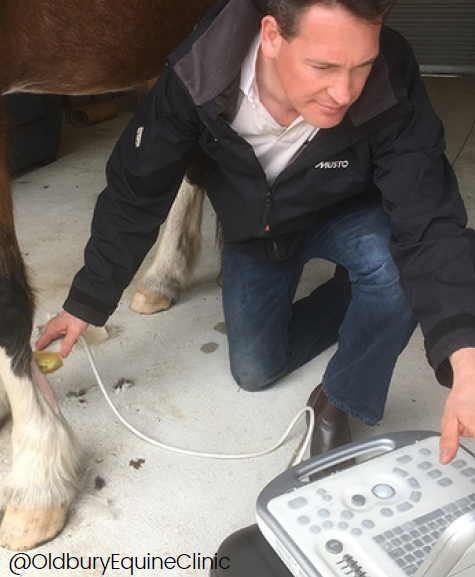
For any owner, the prospect of their horse suffering an injury is a harrowing one. Yet amid the fervour of training and competition, the focus often remains reactive rather than proactive. Veterinary intervention becomes the norm after injury, relegating the conversation to rehabilitation.
Rehabilitation of Injuries in Showjumpers
Rehabilitation aims to return the horse to its normal physical abilities following injury, illness or disease. Pain management is a crucial first step, often involving prescribed medication to relieve discomfort. Beyond pharmaceutical support, however, a whole range of modalities exists to soothe and support your equine athlete on the path to recovery.
Massage
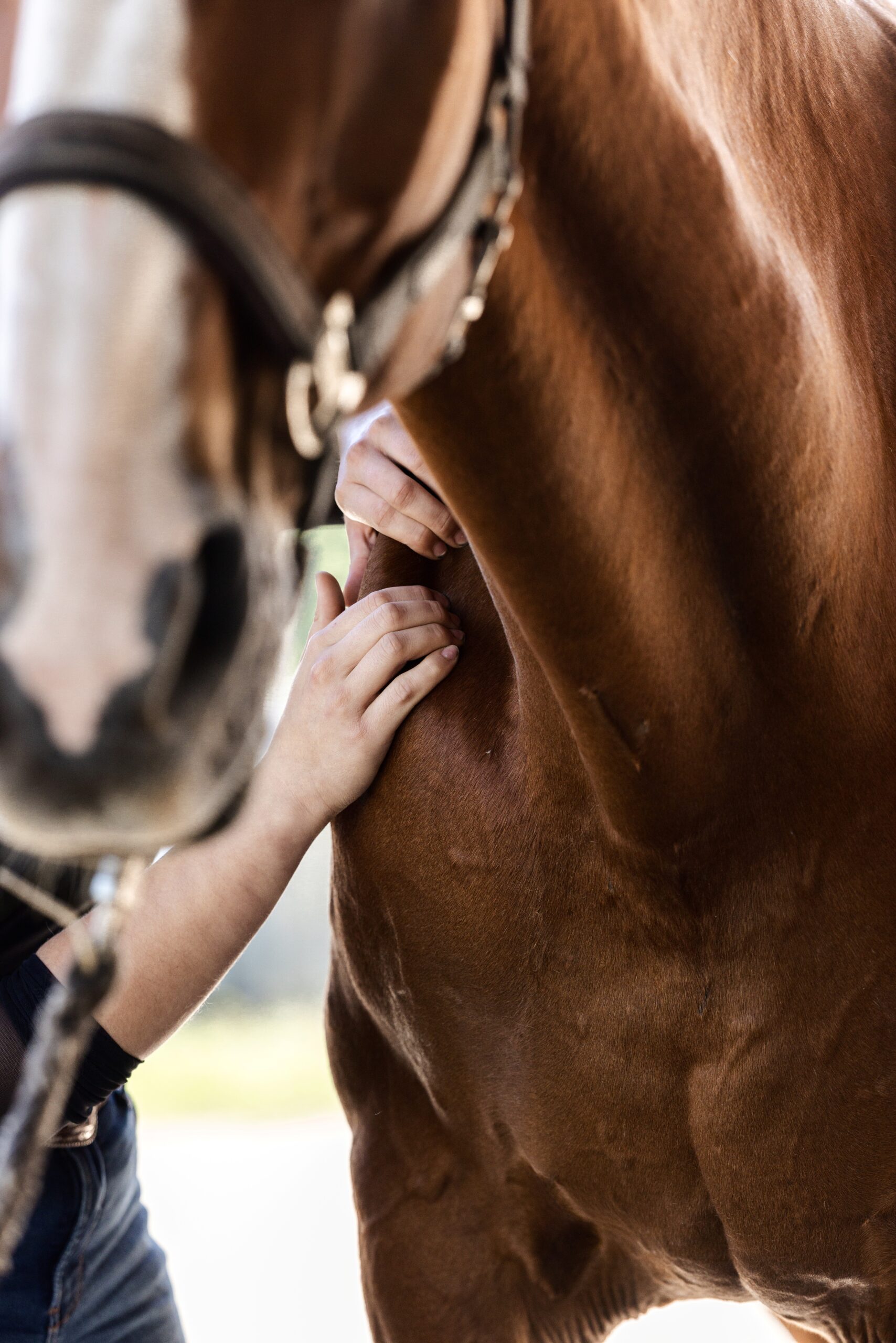
Massage enhances a horse’s well-being through several physiological mechanisms. It induces relaxation by altering blood pressure, heart rate and hormone levels, promoting parasympathetic activity. Manual pressure aids blood circulation and lymph flow, helping to reduce toxins and break down adhesions. It also stimulates collagen proliferation and remodelling, while releasing endorphins to ease pain and stress.
This holistic approach not only reduces injury risk and improves muscle flexibility, but also helps keep a calmer, happier horse – ultimately improving performance and overall welfare.
Other Modalities
Alongside massage, other modalities include electrotherapies, temperature therapies and joint manipulative manual techniques. All of them support the healing process and help the body recover faster. Each rehabilitation plan is tailored to the individual patient, but much of it is based on the horse’s overall fitness level, as functional and targeted exercises form the foundation of the approach – deciding at what intensity the horse works and which exercises it performs.
Stretching
Stretches come in various types: passive, active, dynamic, static, ballistic, isometric and proprioceptive neuromuscular facilitation (PNF). When performing a stretch, many tissues such as tendons and fascia are involved, but the main effect occurs in the muscle tissue.
Stretches should be held for at least 10 seconds, and ideally 20 to 30 seconds as standard, as this is when most relaxation occurs in a muscle. Slow stretching has also been shown to be more beneficial, as it reduces the muscle spindle reflex.
Tissues must be warmed up before stretching – this can be done through exercise, massage or applying heat to the area.
Overall, stretching has been shown to increase range of motion, enhance performance, help prevent injury and improve muscle strength and flexibility. These benefits are most likely when a stretching programme is carried out 3 times a week; stretching 7 days a week has been shown to have the opposite effect.
Some stretches to perform
- Belly lift
- Chin to chest
- Pelvic roundings
- Chin to flank
Passive Range of Motion (PROM)
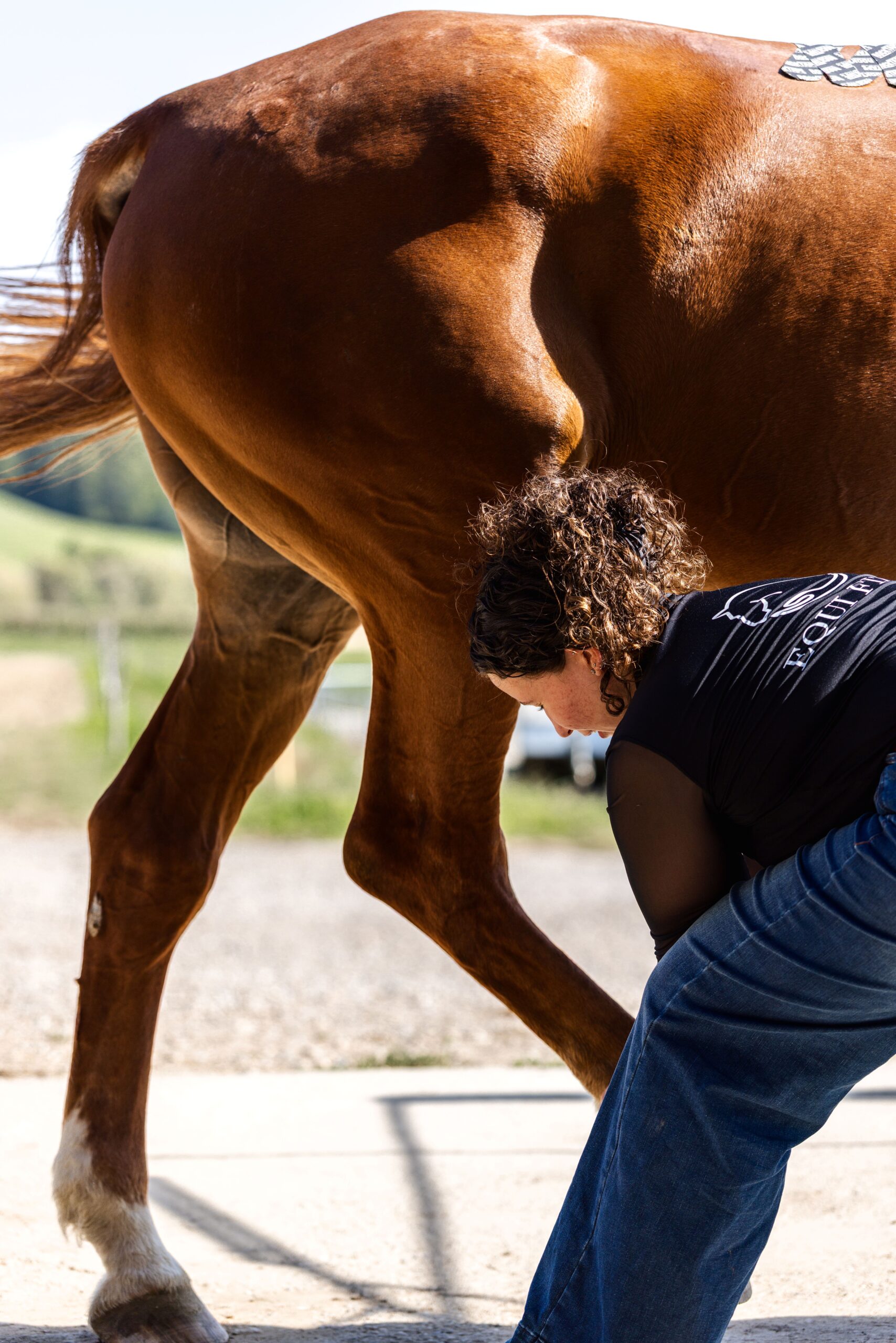
Passive Range of Motion is a valuable tool for maintaining equine flexibility and preserving joint range of motion. It also plays a role in injury prevention: studies have shown that stretched muscles show greater stress resistance, without losing strength, compared with un-stretched muscles.
PROM also reduces tendon and joint tension, and as part of a regular stretching routine it may reduce the need for interventions such as acupuncture or chiropractic care. By improving flexibility and preparing horses for a broader range of movement, PROM contributes to better performance, including increased stride length and overall athleticism.
Prehabilitation, the Forgotten Gem
Prehabilitation is a vital yet often overlooked part of equine care. A proactive approach aimed at preventing injuries before they occur, it embodies foresight and prevention. It’s where owners and professionals work together to safeguard the health and longevity of equine athletes.
Prehabilitation empowers owners to proactively prevent injuries and maintain their horse’s peak fitness. It involves identifying common injuries, then designing tailored exercises to minimise their risk. Essentially, it’s staying one step ahead – because prevention is better than cure.
Common injuries in showjumpers
- Ligament desmitis
- Tendonitis
- Stifle injuries
- Sacroiliac joint pain
Main goals of prehabilitation
- Improve muscle elasticity and flexibility
- Improve joint range of motion
- Improve muscular strength, endurance and symmetry
- Improve coordination and proprioception
- Manage any pre-existing issues
Being Proactive!
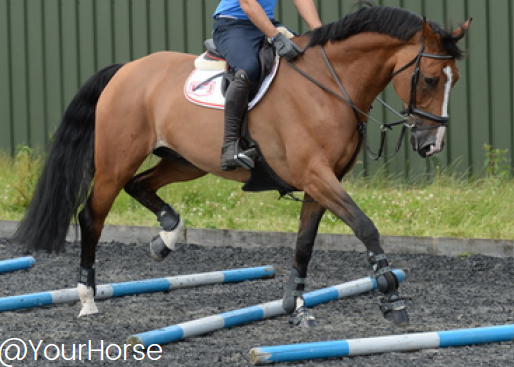
Even with the best team of professionals, the core responsibility for prehabilitation lies with the owner. The demands placed on a showjumper’s soft tissues during take-off and landing are enormous, and minor damage can occur even without obvious lameness. The best prevention is to stay vigilant and properly prepare the tissues before entering the showjumping ring, with a proper exercise plan in place.
Exercises That Can Help
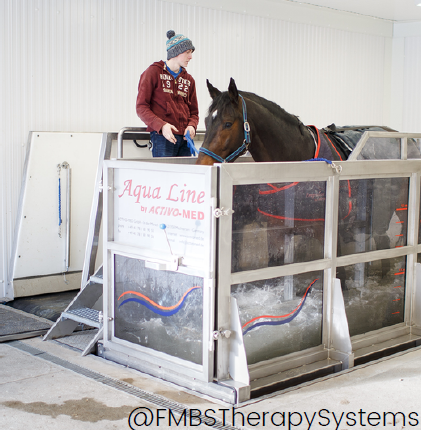
Some of the most useful prehabilitation exercises for showjumping horses:
- Hill work
- Interval and cross-training
- Pole work
- Hydrotherapy
- Stretching
- Dynamic mobilisation exercises
Including these, together with a team of experts dedicated to your horse’s health, will help keep your horse sound and in peak physical condition.
Your team of experts
- Veterinarian
- Farrier or barefoot trimmer
- Saddler
- Dentist
- Coach
- Nutritionist
Adding an equine physiotherapist to your team provides a well-rounded, holistic approach!
Poles – More Than Just Puzzle Pieces of the Jumps!
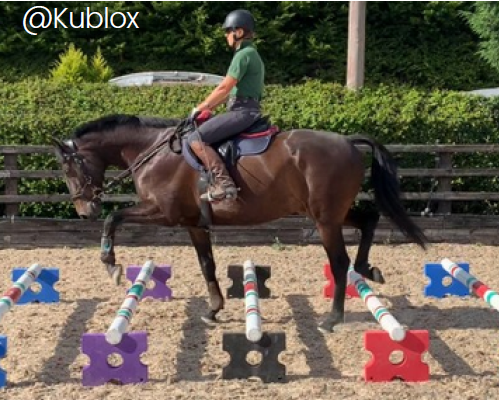
Cavaletti and ground poles are effective tools for strengthening a horse’s back, limb flexors and abdominal muscles. Typically set between 11 and 20 cm off the ground for trot work, they offer progressive resistance. Poles are first placed on the ground at regular intervals and ridden over at walk or trot, then raised as the horse’s strength and neuromuscular control improve.
Controlled turnout has shown significant benefits for horses with soft tissue injuries, while the natural neck stretch during turnout and feeding from the ground further encourages flexion and extension of the back muscles.
Cross-Training, Warm-Up and Cool-Down
Cross-training has been shown to reduce the risk of injury and give a horse a more well-rounded skill set that helps immensely in the showjumping ring. And even without any fancy tools, your horse gains a great deal from a proper warm-up before exercise and an adequate cool-down afterwards. It takes very little time and has been shown to make a considerable difference.
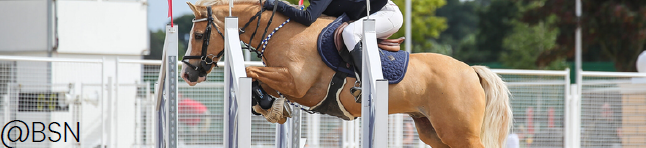
Remember: horses are animals first and athletes second. Giving your horse time off and caring for both their mental and physical well-being is just as important!